A beautiful landscape doesn't happen by accident. It's the result of consistent, thoughtful care applied at the right times throughout the year. Understanding the seasonal rhythms of your outdoor spaces is essential for maintaining healthy plants, a lush lawn, and hardscape features that stand the test of time.
At Greenscape Designs, we've spent over fifteen years perfecting our approach to year-round landscape maintenance. In this guide, we'll share the same strategies we use with our most discerning clients.
Spring: Awakening Your Landscape
As temperatures begin to rise and daylight hours extend, your landscape emerges from winter dormancy. This is arguably the most critical season for setting the tone for the rest of the year.
Early Spring Tasks (March - Early April)
Begin by assessing winter damage. Walk your property and look for broken branches, heaved plants, and areas where snow mold may have developed on your lawn. Remove any remaining leaf debris and fallen branches before new growth begins.
This is the ideal time for a hard pruning of summer-flowering shrubs like butterfly bush, hydrangeas (specifically panicle and smooth varieties), and roses. These plants bloom on new wood, so cutting them back now encourages vigorous growth and abundant flowers later in the season.
Apply a pre-emergent herbicide to your lawn and beds if you struggled with crabgrass or other annual weeds last year. Timing is critical—you need to apply before soil temperatures consistently reach 55 degrees Fahrenheit.
Late Spring Tasks (Late April - May)
Once the danger of frost has passed, it's time to divide and transplant perennials. This is also when you should cut back ornamental grasses to about six inches before new shoots emerge.
Begin your regular mowing schedule, but remember the one-third rule: never remove more than one-third of the grass blade height at once. For most lawns, maintaining a height of three to three-and-a-half inches promotes deeper root growth and natural weed suppression.
Apply a balanced slow-release fertilizer to your lawn and feed shrubs and trees with appropriate formulations. Mulch beds with two to three inches of organic material, keeping it pulled back from plant stems and tree trunks to prevent rot.
Summer: Maintenance and Vigilance
Summer is about maintaining the momentum you built in spring while protecting your landscape from heat stress and drought conditions.
Watering Wisdom
The most common summer mistake is improper watering. Most established landscapes need about one inch of water per week, including rainfall. It's far better to water deeply and infrequently than to provide shallow daily irrigation.
Water early in the morning when possible. This reduces evaporation losses and allows foliage to dry before evening, minimizing disease pressure. If you have an irrigation system, audit it monthly to check for broken heads, misaligned sprays, and coverage gaps.
Ongoing Summer Tasks
Continue mowing at the proper height, raising your cutting deck slightly during the hottest weeks if your lawn shows signs of stress. Sharp mower blades are essential—dull blades tear grass rather than cutting it cleanly, creating entry points for disease.
Deadhead spent flowers on perennials and annuals to encourage continued blooming. Monitor for pest and disease issues, addressing problems early before they spread. Japanese beetles, aphids, and powdery mildew are common summer challenges in our region.
Prune spring-flowering shrubs like lilacs, forsythia, and azaleas immediately after they finish blooming. These plants set next year's flower buds in summer, so late pruning will reduce next spring's display.
Fall: Preparation and Planting
Many homeowners wind down their landscape efforts in fall, but this season offers unique opportunities that shouldn't be missed.
The Ideal Planting Season
Contrary to popular belief, fall is actually the best time to plant trees, shrubs, and perennials. Soil temperatures remain warm enough for root development while cooler air temperatures reduce stress on foliage. Plants installed in fall have months to establish root systems before facing summer heat.
If you've been considering adding to your landscape, take advantage of fall nursery sales and ideal planting conditions. Just be sure to complete planting at least six weeks before the ground typically freezes in your area.
Lawn Care and Renovation
Fall is prime time for lawn improvement. Core aeration relieves soil compaction and improves water and nutrient penetration. Overseeding thin or bare areas is most successful in early fall when soil is warm and weed competition is minimal.
Apply a fall fertilizer formulation in late September or early October. These products are higher in potassium, which promotes root development and winter hardiness rather than top growth.
Preparing for Winter
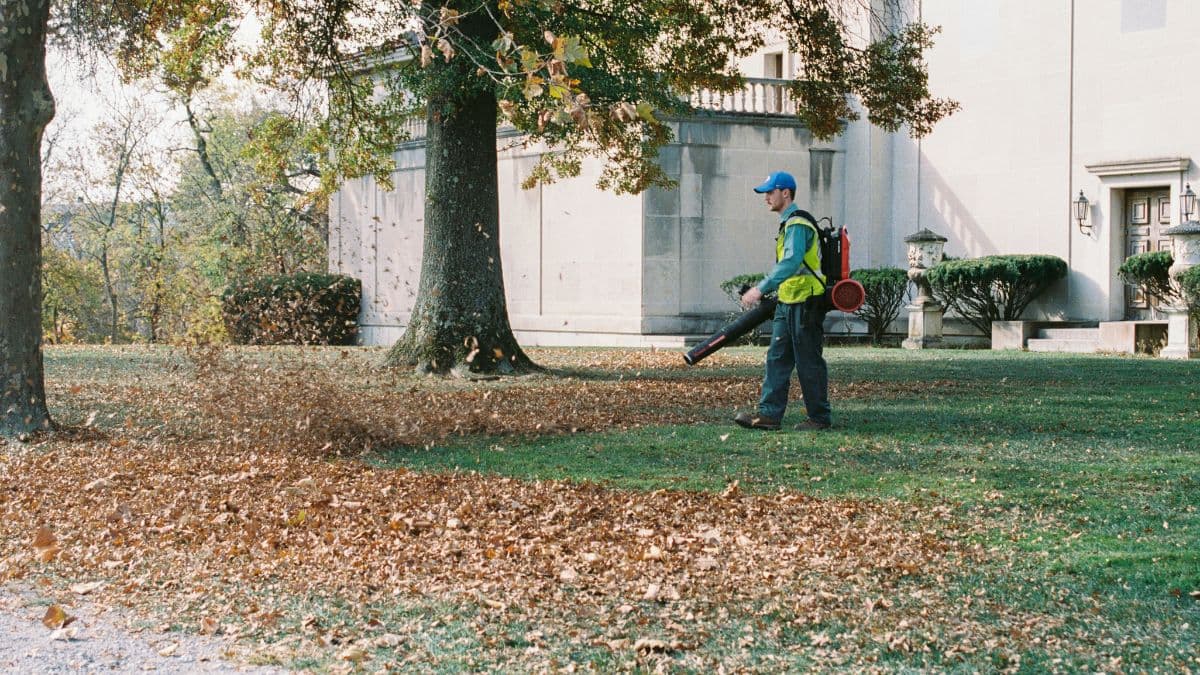
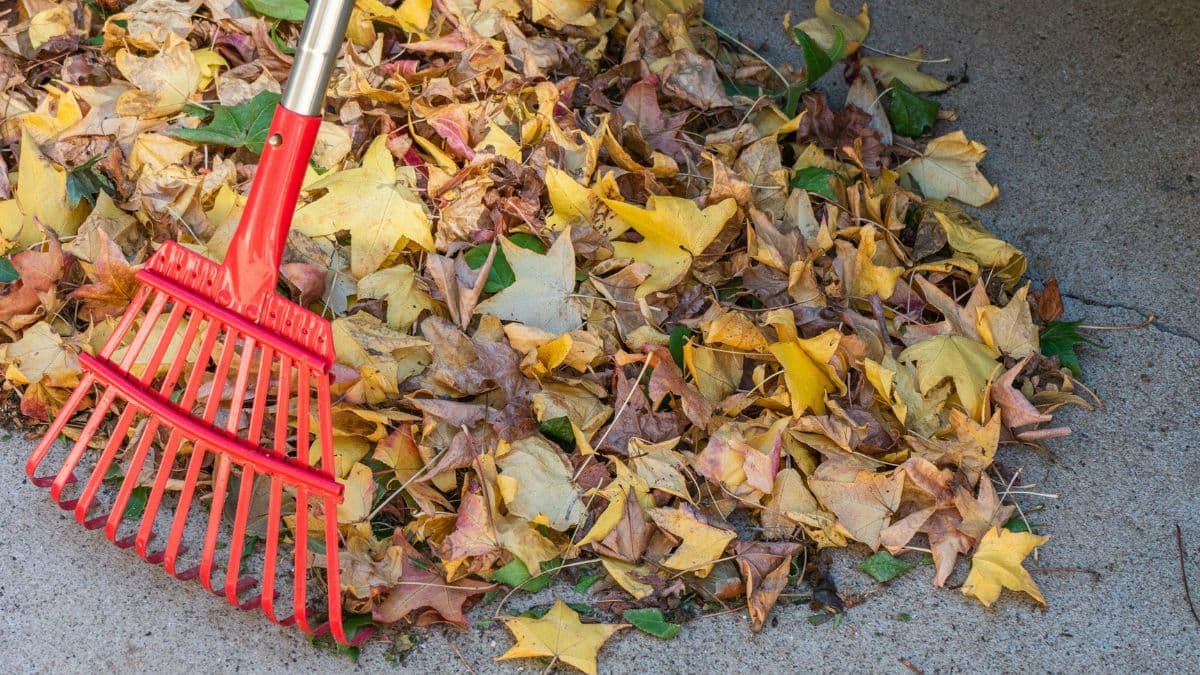
As leaves fall, stay on top of removal to prevent smothering your lawn. Consider composting leaves or running them over with a mulching mower to return nutrients to the soil.
Cut back perennials after frost has killed the foliage, though some gardeners prefer to leave seed heads for winter interest and bird food. Drain and store garden hoses, and winterize irrigation systems before freezing temperatures arrive.
Wrap vulnerable evergreens with burlap to protect them from winter burn, particularly those in exposed locations or near roads where salt spray is a concern.
Winter: Planning and Protection
While the landscape rests, there's still work to be done—and valuable planning to accomplish.
Structural Pruning
Late winter, while trees and shrubs are fully dormant, is the ideal time for major pruning work. Without foliage obscuring the branch structure, you can make more informed decisions about which limbs to remove.
This is when we address crossing branches, weak crotch angles, and overall tree structure. Wounds heal quickly once spring growth begins, and disease pressure is minimal during cold months.
Planning for the Year Ahead
Use the quiet winter months to evaluate your landscape's performance over the past year. What worked well? Where did problems arise? Consider whether changes to your planting plan, hardscape features, or maintenance approach might be worthwhile.
This is also an excellent time to work with a landscape professional on design projects. Designers have more availability in winter, and you'll be first in line when spring installation season arrives.
The Value of Professional Partnership
While many homeowners successfully maintain their own landscapes, partnering with professionals can elevate your property to its full potential. Regular professional maintenance ensures that tasks are performed at optimal times with proper techniques and materials.
At Greenscape Designs, our maintenance programs are tailored to each property's unique needs and our clients' goals. Whether you need comprehensive weekly service or seasonal support for specific tasks, we're here to help your landscape thrive year-round.
Contact us today to discuss how we can support your landscape maintenance needs.