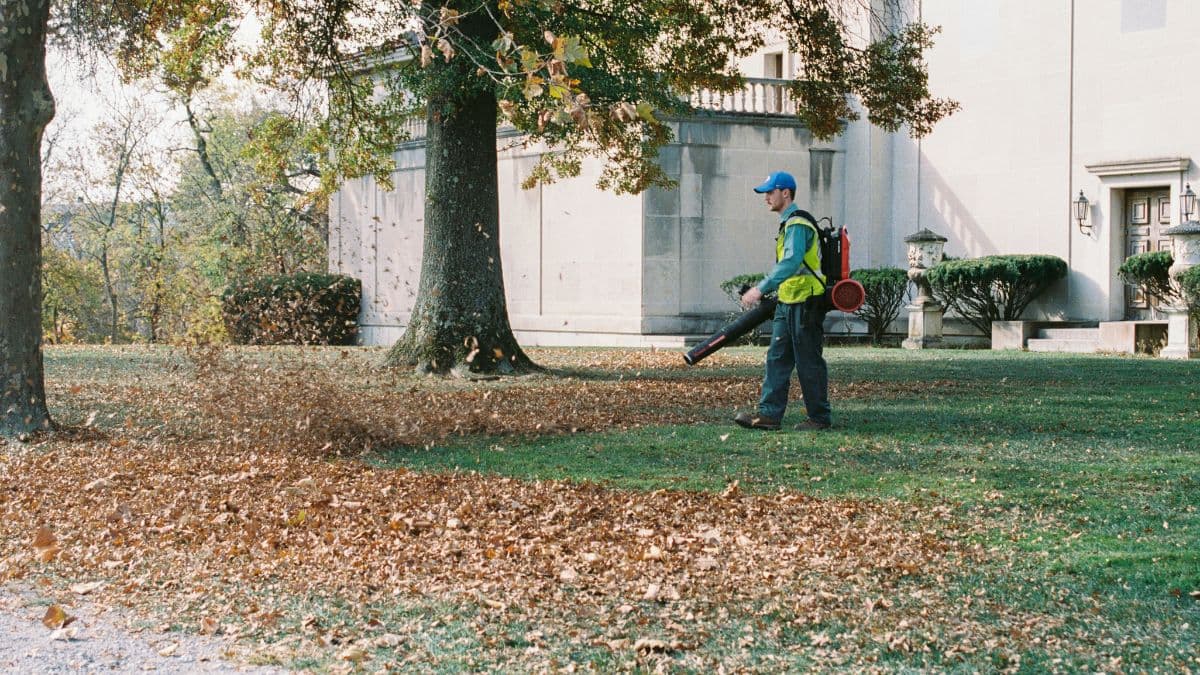
Choosing a landscape company is one of the most consequential decisions you'll make for your property. The right partner can transform your outdoor spaces into sources of daily joy, increase your home's value, and provide years of reliable service. The wrong choice can result in damaged plants, wasted money, and endless frustration.
Having worked in the landscape industry for over fifteen years—and having heard countless stories from clients about their previous experiences—I've developed a clear understanding of what separates exceptional companies from problematic ones.
This guide will help you navigate the selection process with confidence.
Start With Credentials and Experience
Before evaluating any other factors, verify that prospective companies have proper licensing and insurance. This isn't optional—it's foundational.
In most states, landscape contractors must hold valid business licenses to operate legally. Some jurisdictions require additional certifications for specific services like pesticide application, irrigation installation, or tree work. Ask to see current documentation and verify its validity with the issuing authorities if you have any doubts.
Insurance is equally critical. At minimum, a landscape company should carry general liability insurance and workers' compensation coverage. General liability protects your property if something is damaged during work. Workers' compensation protects you from liability if a crew member is injured on your property.
Ask for certificates of insurance and confirm they're current. Reputable companies will provide this documentation without hesitation—they understand why it matters and appreciate clients who take due diligence seriously.
Beyond basic credentials, consider the company's experience and specialization. How long have they been in business? What types of properties do they typically serve? A company that specializes in commercial maintenance may not be the best choice for intricate residential design work, and vice versa.
Look for evidence of ongoing professional development. Do key staff members hold industry certifications? Are they members of professional organizations? Do they stay current with evolving best practices? These indicators suggest a commitment to excellence that goes beyond simply showing up and doing the minimum.
Research Reputation Thoroughly
In today's connected world, there's no excuse for hiring a landscape company without researching their reputation. Multiple channels provide valuable insights into how companies actually perform.
Start with online reviews on platforms like Google, Yelp, and industry-specific sites. Look for patterns rather than focusing on individual reviews—every company occasionally has an unhappy customer. What matters is the overall trajectory. Are recent reviews consistently positive? How does the company respond to criticism?
Pay particular attention to reviews that mention specific details. Generic praise like "great company!" tells you little, but comments about punctuality, communication, problem resolution, and long-term results provide meaningful insight into the client experience.
Beyond online reviews, ask for references from recent clients with properties similar to yours. A confident company will gladly connect you with satisfied customers who can speak to the quality of their work and the nature of the working relationship.
When speaking with references, ask specific questions: Did the project stay on budget? Were there any surprises? How did the company handle problems or changes? Would you hire them again? These conversations often reveal nuances that online reviews miss.
Evaluate Communication and Professionalism
How a company communicates during the sales process tells you a great deal about how they'll communicate during your project.
From your first contact, notice responsiveness. Do they return calls and emails promptly? Do they arrive on time for consultations? Do they listen carefully to your goals before proposing solutions? Companies that are disorganized or inattentive during the courtship phase rarely improve once they have your business.
The consultation itself should feel collaborative rather than pushy. Good landscape professionals ask questions about your lifestyle, preferences, budget, and timeline. They walk your property with curiosity and attention. They explain their observations and recommendations in terms you can understand.
Be wary of companies that seem more interested in selling you services than understanding your needs. The best landscape relationships are built on trust and mutual respect, not high-pressure sales tactics.
Examine the proposals you receive. A professional proposal should be detailed and specific, clearly describing the scope of work, materials to be used, timeline, and total cost. Vague proposals that lack specifics often lead to disputes and unexpected charges later.
Compare Bids Carefully
Most experts recommend obtaining at least three bids for significant landscape work. But comparing proposals requires more nuance than simply choosing the lowest price.
First, ensure you're comparing equivalent scopes of work. One company's lower bid might reflect fewer services, inferior materials, or shortcuts that will cause problems later. Read proposals carefully and ask questions about anything that's unclear.
Consider the quality of materials specified. There are significant differences between premium pavers and economy products, between field-grown trees and container stock, between professional-grade equipment and consumer alternatives. Lower prices often reflect lower quality.
Be especially cautious of bids that are dramatically lower than others. While some variation is normal, a bid that's thirty or forty percent below comparable proposals usually indicates something concerning—inadequate insurance, inexperienced crews, cut-rate materials, or unrealistic scheduling.
At the same time, the highest bid isn't automatically the best choice. Some companies simply charge more than their work justifies. Value—the relationship between quality and price—should drive your decision, not price alone.
Ask about payment terms and schedules. Reputable companies typically require a deposit to secure scheduling and purchase materials, with additional payments tied to project milestones. Be cautious of demands for large upfront payments or cash-only transactions.
Trust Your Instincts
After gathering information and conducting due diligence, pay attention to your gut feelings. The best business relationships are built on personal compatibility and mutual respect.
Do you feel comfortable with the people you've met? Do they seem genuinely interested in your property's success, or are you just another transaction? Can you imagine working with them over the coming months or years?
Trust matters enormously in landscape work. You're inviting people onto your property, often when you're not home. You're relying on their expertise to make decisions that affect your investment. You need to feel confident that they have your best interests at heart.
If something feels off—even if you can't articulate exactly what—take that seriously. There are plenty of excellent landscape companies available. You don't have to settle for one that doesn't feel right.
Red Flags to Avoid
Through years of experience, certain warning signs have proven reliable indicators of problematic companies:
No written contract or proposal. Professional landscape work should always be documented in writing. Verbal agreements lead to misunderstandings and disputes.
Requests for large cash payments. While deposits are normal, demands for substantial cash payments upfront often indicate financial instability or intent to disappear.
Reluctance to provide references or proof of insurance. Companies with nothing to hide don't hesitate to share this information.
Pressure to decide immediately. High-pressure sales tactics suggest a company more interested in closing deals than building relationships.
Poor communication or missed appointments. Behavior during the sales process typically continues—or worsens—during projects.
Unusually low bids without clear explanation. If a price seems too good to be true, it usually is.
Making Your Decision
Choosing a landscape company is ultimately about finding the right fit for your specific situation. The best company for your neighbor might not be the best company for you.
Consider your priorities. If you're planning a major design-build project, creative vision and project management capabilities matter most. If you need ongoing maintenance, consistency and reliability take precedence. If you're addressing a specific problem, specialized expertise in that area becomes critical.
Take your time with this decision. A few extra days of research can save months of frustration with the wrong partner.
At Greenscape Designs, we welcome the opportunity to demonstrate why our clients trust us with their landscapes. We're happy to provide references, answer questions, and show you examples of our work. Whether or not we're the right fit for your project, we hope this guide helps you find the landscape partner you deserve.